Android audio workflow
A practical way to transcribe audio to text Android users can use
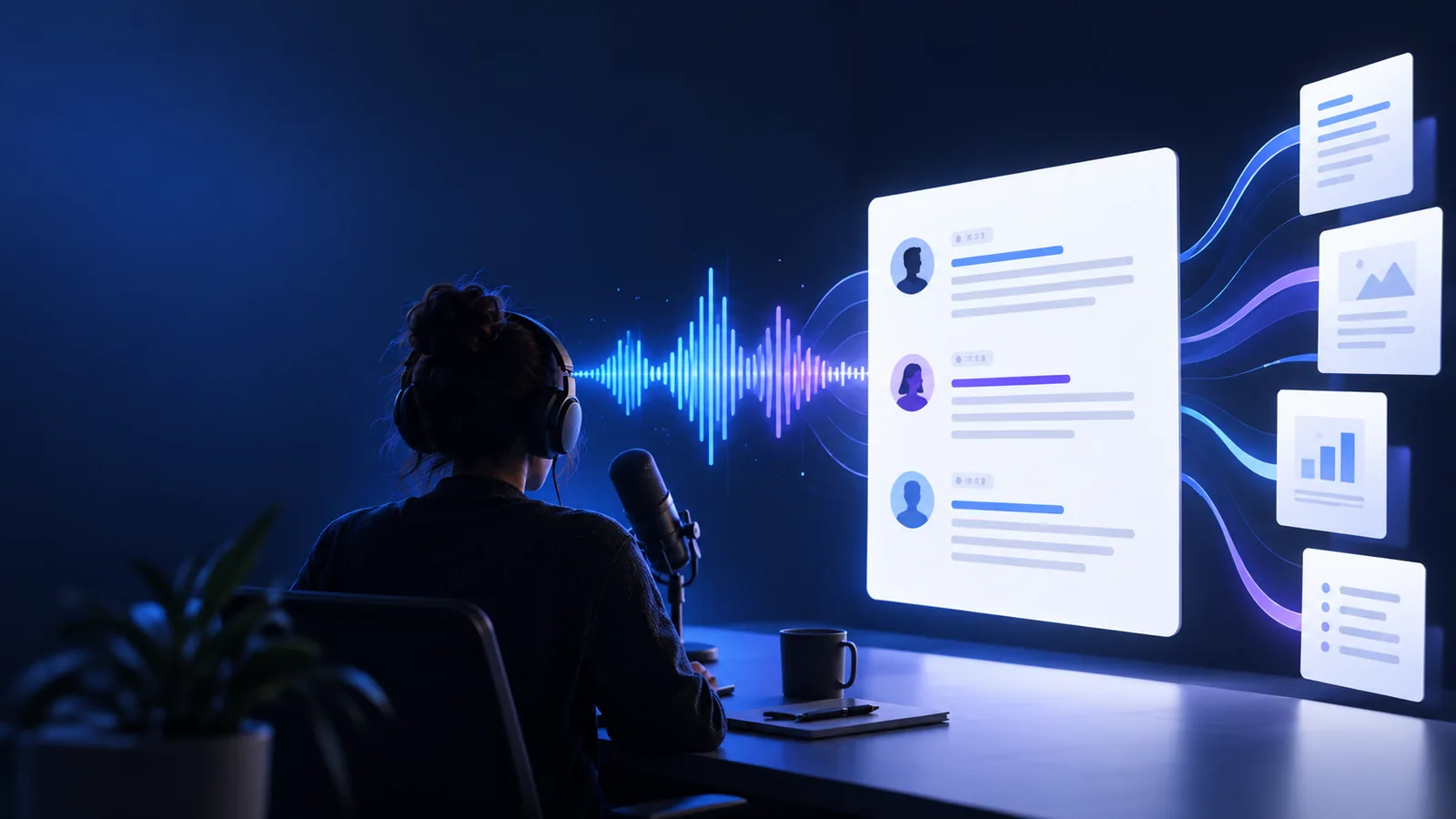
Turn a recording into readable notes from your Android phone, whether the file is a voice memo, interview, lecture, or meeting recap. Keep the workflow simple: upload, review, and refine.
Related audio workflows
Choose the route that best matches your device, source file, or preferred editing destination.
- transcribe audio to text online Use a browser-based workflow when you are moving between Android, desktop, and shared computers.
- transcribe audio recording to text Focus on turning interviews, meetings, and voice notes into a clean written transcript.
- transcribe audio to text on iPhone Follow a phone-first approach for recordings made on an Apple device.
Start with the source
Prerequisites
A successful Android transcription starts with an accessible recording and a clear plan for how you will check the result.
-
1
Prepare the recording
Keep the audio file on your phone or in a cloud folder you can open from Android. Trim long silence when practical and use the clearest original copy.
-
2
Send it for transcription
Open the transcription workflow in your mobile browser, upload the file, and include useful context such as the language, topic, or expected speakers.
-
3
Review before sharing
Read through names, numbers, technical terms, and speaker changes. Correct the important passages, then copy or export the finished text to your preferred notes app.
Choose the right route
One full run-through
The same basic process works for a short voice note or a longer recording; the main differences are file access, review time, and where you want the transcript afterward.
| Android phone workflow | Desktop browser workflow | |
|---|---|---|
| Best starting point | Voice memo, downloaded clip, or cloud file on the phone | Recording already stored on a computer |
| Upload method | Mobile browser file picker or cloud storage | Desktop file picker or drag and drop |
| Review surface | Phone screen with pinch, scroll, and copy controls | Larger screen for detailed editing |
| Useful context | Add topic, language, and speaker notes before processing | Add the same context with more room for detail |
| Convenience | Works wherever the recording and phone are available | More comfortable for long transcripts |
| Final handoff | Copy text into notes, email, documents, or messages | Paste directly into documents and editing tools |
Keep expectations clear
Options table
These practical choices help you decide how to capture, process, and finish a transcript on Android.
- Prepare, transcribe, and review
- 3 steps
- Phone for convenience, desktop for editing
- 2 surfaces
- Use the clearest original recording available
- 1 source
See the handoff
From rough audio to usable notes
A transcript is most useful after a quick human pass. Compare the raw recording context with the organized text you can actually search and share.
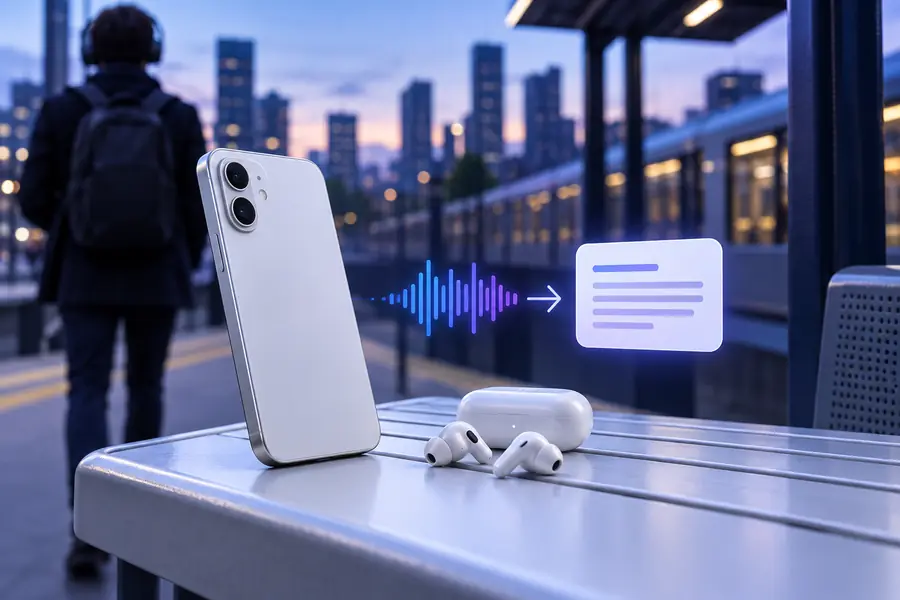
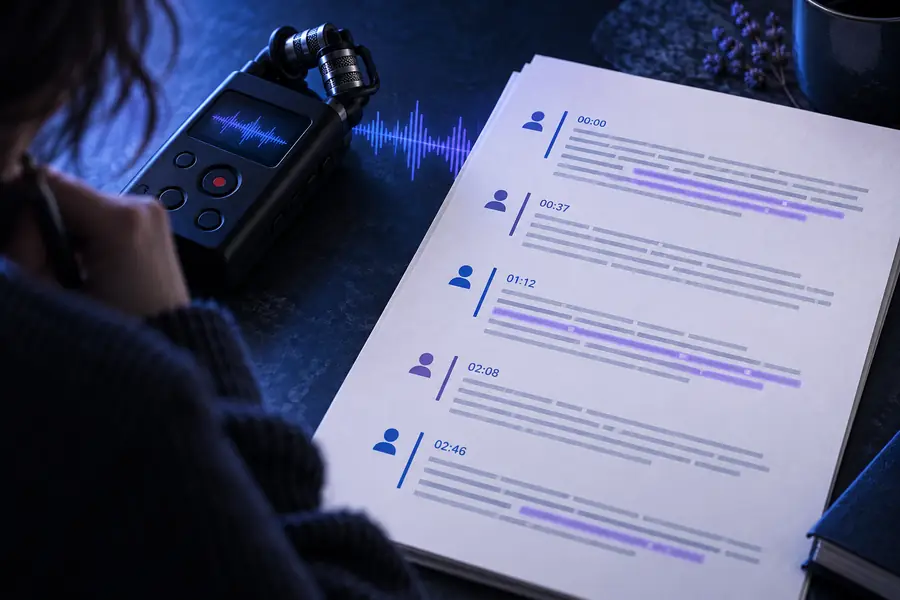
The review step matters most for names, numbers, accents, overlapping voices, and specialist vocabulary.
BeforeAfterKnow the edges
What fails
Android makes access convenient, but the phone itself cannot solve every recording or recognition problem.
Noisy or distant audio
Traffic, room echo, music, and a microphone placed far from the speaker can make words difficult to distinguish.
What to do instead
Use the cleanest source available and manually verify the sections that sound uncertain.
Overlapping speakers
When several people talk at once, a transcript may merge voices or assign a sentence to the wrong person.
What to do instead
Add speaker context where possible and review every important exchange against the recording.
Phone storage and connectivity
A large recording may be awkward to upload over a weak mobile connection or when local storage is nearly full.
What to do instead
Use Wi-Fi, move the file to cloud storage, or process it later from a desktop browser.
Specialized words
Names, acronyms, product terms, and mixed-language speech can produce plausible but incorrect text.
What to do instead
Provide topic context and search the final transcript for terms that need confirmation.
Ready to review
Send in a voice memo, interview, lecture, or meeting recording and get a written starting point you can check on your phone. A careful review makes the final text more dependable.
Turn your Android recording into a draft
- Phone-friendly upload workflow
- Useful for notes, interviews, and meetings
- Review before copying or sharing
Android questions
FAQ
Answers to common questions about using an Android phone for audio transcription.
The simplest route is to open a mobile-friendly transcription tool in your Android browser, upload the recording, and review the returned text. Keep the original audio available so you can check names, numbers, and unclear phrases.
Yes. You can usually select a recording from the phone's file picker, a recorder folder, or connected cloud storage. If the file is hard to find, use the recorder app's share or export option to place a copy somewhere accessible.
A browser-based workflow generally needs an internet connection to upload and process the recording. You can prepare or listen to the file offline, then submit it when Wi-Fi or mobile data is available.
It can produce a useful draft, but overlapping voices and similar speaking patterns may be difficult to separate accurately. For an interview, review speaker changes and label important sections manually before publishing or sharing.
The available formats depend on the transcription tool and the recorder that created the file. If an upload is rejected, export the recording in a commonly supported audio format or convert it before trying again, while keeping the original copy.